

BestOnlyFans treats privacy as the foundation of safe platform engagement. OnlyFans has become one of the largest creator platforms worldwide, yet many users assume free subscriptions carry no personal exposure. This assumption creates significant risk. Even zero-dollar subscriptions require account creation, payment verification, and personal data collection. Understanding these requirements helps users browse safely while maintaining control over their digital footprint.
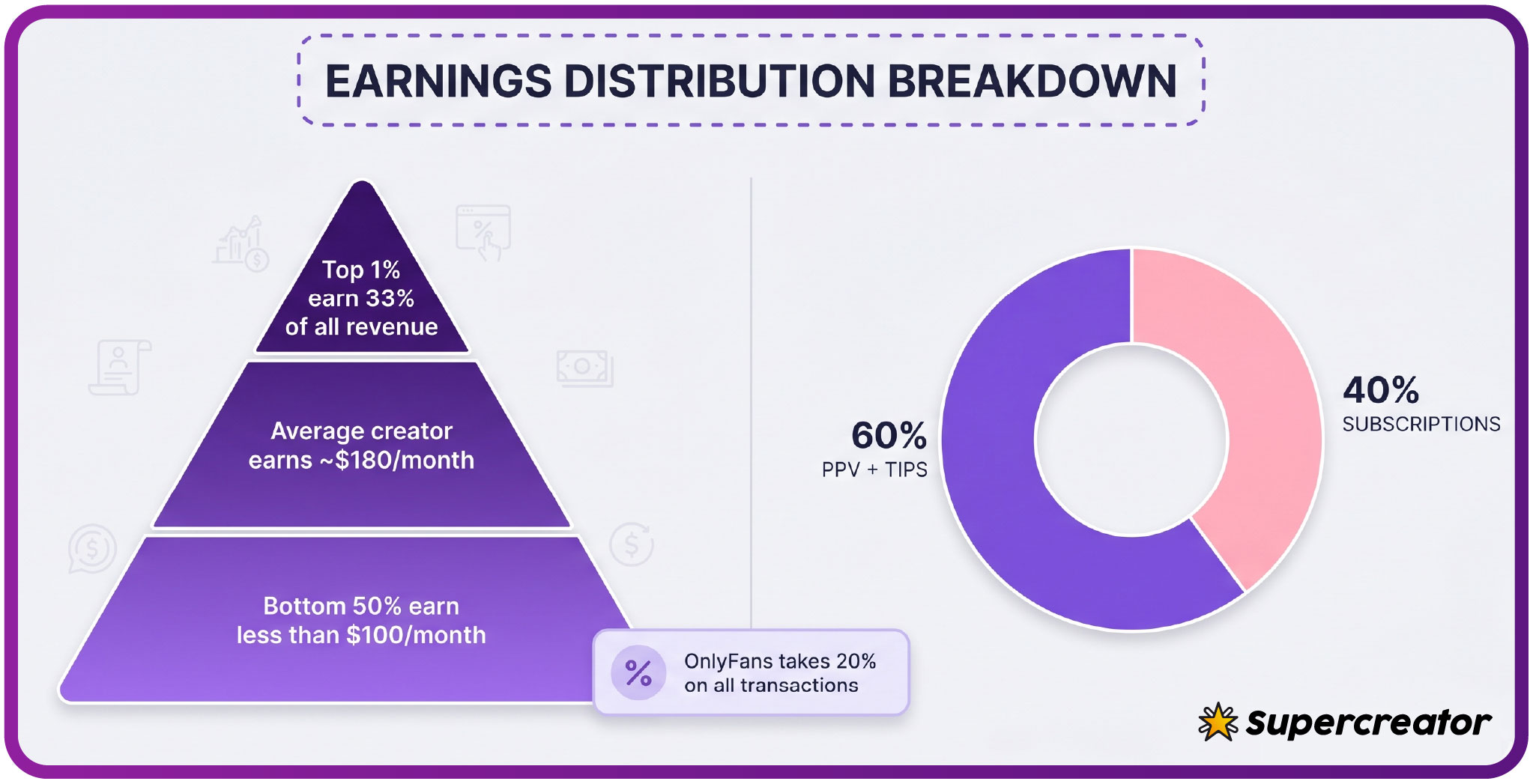
Free pages on OnlyFans generate revenue through pay-per-view content, tips, and paid messages rather than monthly fees. Creators set their subscription price to $0, but the platform still enforces age verification and payment method validation for all users. This means anyone browsing free content must still provide sensitive information that could be exposed through data breaches, social discovery, or poor security practices.
The following guide addresses each privacy layer systematically. Readers will learn how verification processes work, what data remains visible, and which protective measures reduce exposure. Our methodology at BestOnlyFans emphasizes practical security over convenience, recognizing that informed users make better decisions about their online presence.
Why Free Subscriptions Still Require Verification
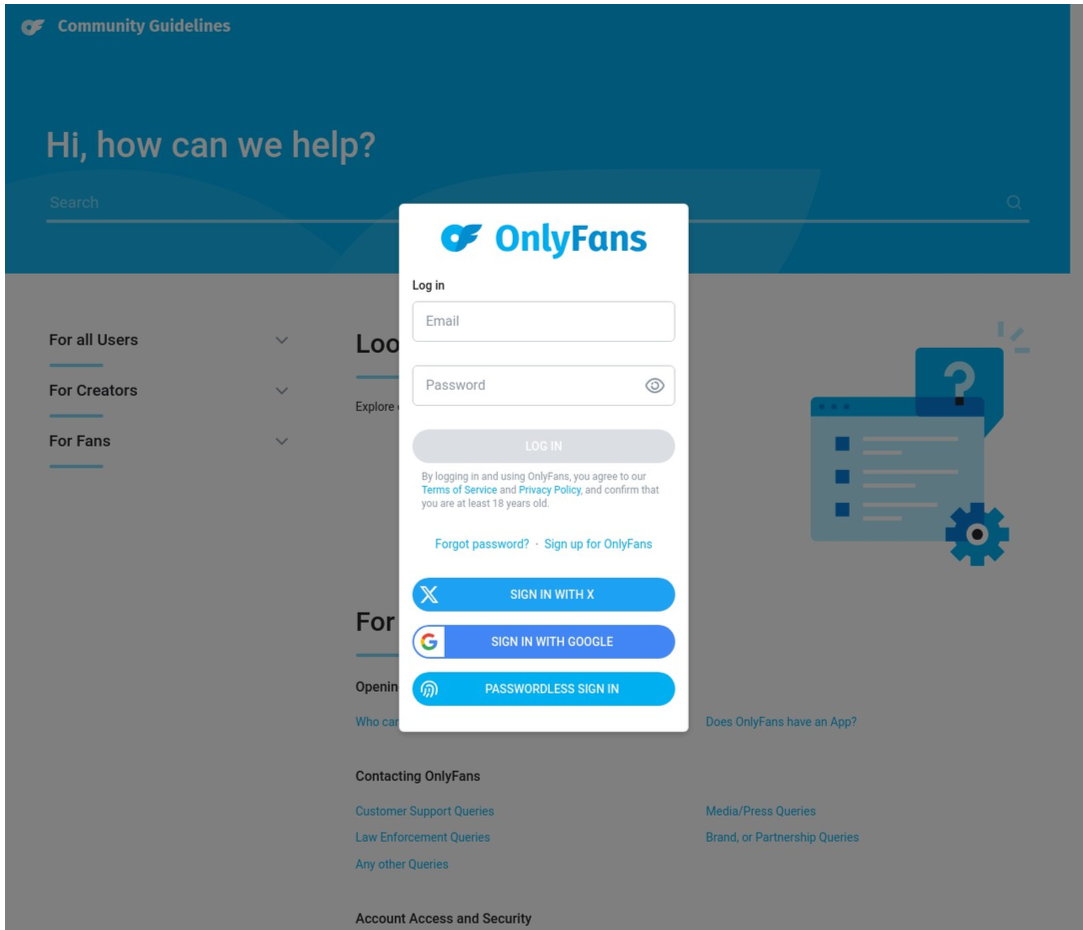
OnlyFans implements verification for all users regardless of subscription cost. The platform processes a $0.10 card verification hold to confirm payment method validity and user age. This temporary charge appears on statements and is refunded within several days, yet it creates a financial record of platform access.
Age verification requirements stem from regulatory obligations. OnlyFans must demonstrate reasonable efforts to prevent underage access. Free subscriptions do not bypass these checks. Users submit government-issued identification or validated payment credentials that link platform activity to real-world identity.
Data collection extends beyond payment details. Email addresses, IP locations, device fingerprints, and browsing patterns all become part of user profiles. Free page subscribers often believe they browse anonymously, but platform logs maintain comprehensive activity records. These records persist and could be subject to legal requests or security incidents.
VPN Use and Geographic Privacy
Virtual private networks mask IP addresses that otherwise reveal approximate location to websites and potential observers. For OnlyFans browsing, geographic privacy matters because platform access carries social stigma in many regions, and because IP data can correlate with other online activities.
Not all VPNs provide equivalent protection. Free VPN services often log traffic, inject advertisements, or resell user data. Premium providers with verified no-logging policies offer stronger guarantees. Users should verify independent audits rather than trust marketing claims.
- Select VPNs with independently audited no-logging policies verified by third-party security firms
- Choose providers with server locations in jurisdictions without mandatory data retention laws
- Enable kill switches that block internet traffic if VPN connections drop unexpectedly
- Test DNS leak protection to ensure IP addresses remain hidden during platform sessions
VPN deployment should occur before any OnlyFans interaction, including initial sign-up. Revealing true location during account creation defeats subsequent privacy measures. Consistent VPN use across all devices prevents correlation attacks that link mobile and desktop sessions.
Payment Method Separation Strategies
Isolating OnlyFans transactions from primary financial accounts limits exposure if payment data is compromised or statements are reviewed. Several card types serve this purpose, each with distinct advantages for privacy-conscious users.
- Virtual card numbers from financial apps generate single-use or merchant-locked credentials that cannot be reused elsewhere
- Prepaid debit cards funded with cash disconnect transactions from personal banking entirely
- Dedicated low-limit credit cards restrict potential damage from unauthorized charges
Virtual cards offer particular value because they can be frozen or deleted without affecting primary accounts. Many digital banking services provide these features without fees. Prepaid options require more effort but provide maximum separation between platform activity and personal finances.
Payment verification holds apply regardless of card type. Users should ensure any chosen method can process the $0.10 authorization and has sufficient balance for potential PPV purchases. Free pages frequently prompt paid content unlocks ranging from $3 to $50 per item.
Username and Profile Anonymity
Account identifiers create persistent links between platform activity and real identity. Users often select recognizable usernames or reuse profile photos from other services, enabling discovery through reverse image search or cross-platform correlation.
| Information Type | Risk Level | Protection Method |
|---|---|---|
| Email address | High | Dedicated email service unlinked to primary accounts |
| Username | Medium | Randomized strings without personal references |
| Profile photo | Very High | Generic images never used elsewhere online |
| Linked social accounts | Very High | Complete separation; no platform connections |
Email deserves particular attention because it serves as the recovery mechanism for account access. Compromised primary email could enable OnlyFans account takeover. ProtonMail, Tutanota, and similar encrypted services provide free tiers suitable for this isolation purpose.
Profile photos present the highest identification risk. Reverse image tools can locate identical images across social networks, dating platforms, and professional sites. Even cropped or filtered versions may match through facial recognition databases. Generic imagery eliminates this vector entirely.
Recognizing Phishing From Fake Free Page Promotions
Demand for free content generates substantial scam activity. Malicious actors create fake promotions claiming access to exclusive content without subscription fees. These schemes typically harvest credentials for account takeover or financial fraud.
- URLs containing misspelled platform names or additional subdomains like “onlyfans-free-access.com”
- Requests for payment information before any platform redirection occurs
- Promises of content from creators who exclusively operate paid accounts
- Urgent deadlines pressuring immediate action without verification opportunity
- Social media DMs from accounts with minimal history and generic profile imagery
Legitimate free pages require no external promotion. Creators set prices directly within platform controls. Any off-site offer claiming special access should be treated as fraudulent. Users should navigate directly to onlyfans.com rather than following promotional links.
Credential stuffing attacks exploit passwords reused across services. Phishing sites capture login details and test them against banking, email, and other high-value targets. Unique passwords for OnlyFans prevent this cascade effect.
Bank Statement Appearance and Discretion
Financial records reveal platform access even when subscriptions cost nothing. Understanding how transactions appear helps users anticipate disclosure risks and respond appropriately if statements are reviewed by family members, partners, or financial institutions.
| Transaction Type | Statement Display | Amount |
|---|---|---|
| Free subscription verification | “OnlyFans” or “Fenix International Ltd.” | $0.10 (temporary) |
| PPV content unlock | “OnlyFans” with creator reference | $3.00 – $50.00 |
| Paid direct message | “OnlyFans” with timestamp | $3.00 – $5.00 typical |
| Tip transaction | “OnlyFans” or “OF*TIPS” | Variable up to $100.00 |
The verification hold generates the first visible record. Though refunded, it appears temporarily and may trigger alerts from banking apps. Some institutions flag OnlyFans merchants specifically, requiring user confirmation before processing.
PPV purchases on free pages create ongoing statement activity. Unlike fixed monthly subscriptions, these appear irregularly and with varying amounts. This pattern can be harder to explain than consistent subscription fees. Users should consider whether sporadic small charges attract more attention than predictable recurring amounts.
Device and Browser Security Settings
Technical hardening reduces exposure from malware, session hijacking, and forensic recovery. Mobile devices used for OnlyFans access require particular attention because they synchronize data across accounts and maintain extensive location histories.
- Enable two-factor authentication using authenticator apps rather than SMS delivery
- Configure browsers to clear cookies and site data after each session
- Disable password saving for OnlyFans domains to prevent autofill exposure
- Use private browsing modes that do not retain history or cached content
- Install application locks requiring biometric or PIN authentication for the OnlyFans app
- Review and revoke unnecessary permissions for camera, microphone, and contacts access
Device encryption protects data if phones or computers are lost or seized. Modern operating systems enable this by default, but users should verify activation. Backup configurations require similar scrutiny—cloud photo sync could capture screenshots of platform content.
Shared computers present particular risks. Browser profiles should isolate OnlyFans activity from other usage. Guest accounts or dedicated virtual machines provide stronger separation than private windows alone.
Incident Response: If Privacy Is Compromised
Preparation enables faster response when security failures occur. Users should document baseline account states to recognize unauthorized changes, and maintain contact methods for platform support outside potentially compromised channels.
- Immediately change passwords for affected accounts and any sharing those credentials
- Review payment methods and disable cards showing unrecognized charges
- Document unauthorized activity with timestamps and screenshots for dispute support
- File identity theft reports with relevant financial institutions and credit monitoring services
Never delay incident response to avoid embarrassment. Financial fraud and identity theft compound quickly. Early intervention limits damage and establishes records that support dispute resolution.
Platform-specific concerns require direct OnlyFans support contact. The verification system can complicate account recovery if email access is lost. Maintaining current payment methods on file helps prove ownership during disputes.

Our research methodology at BestOnlyFans incorporates security assessment alongside content evaluation. The freeonlyfans model demonstrates how discovery services can operate while respecting user privacy boundaries. Responsible platforms minimize data collection and provide clear guidance on protective measures.
FAQ
Does OnlyFans notify my contacts if I subscribe to a free page?
No. OnlyFans does not operate social discovery features that reveal subscriptions to contacts. The platform has no built-in feed showing friend activity or recommendations based on address book access. However, username choices and profile photos can enable manual discovery if contacts search for recognizable identifiers.
Can I use a completely fake name and still pass payment verification?
Partially. Account names can be arbitrary, but payment verification requires name matching between cardholder records and platform submissions. Discrepancies cause verification failure. Users wanting name separation must use payment methods issued to their chosen alias, such as certain prepaid options or business accounts with DBA registration.
What should I do if I see OnlyFans charges I did not authorize?
Contact your card issuer immediately to dispute charges and request replacement credentials. Simultaneously open a support ticket with OnlyFans providing transaction details. The $0.10 verification hold sometimes generates confusion—confirm whether amounts match expected temporary holds versus actual content purchases. Document all communications for potential fraud investigation.
Are free pages more or less risky for privacy than paid subscriptions?
Risk profiles differ rather than clearly favoring either option. Free pages avoid recurring billing records but encourage more payment events through PPV purchases. Paid subscriptions create predictable statement patterns but reduce incentive for extensive browsing that generates additional data. The primary risk factors—account data, payment information, and browsing behavior—apply equally to both access models.